

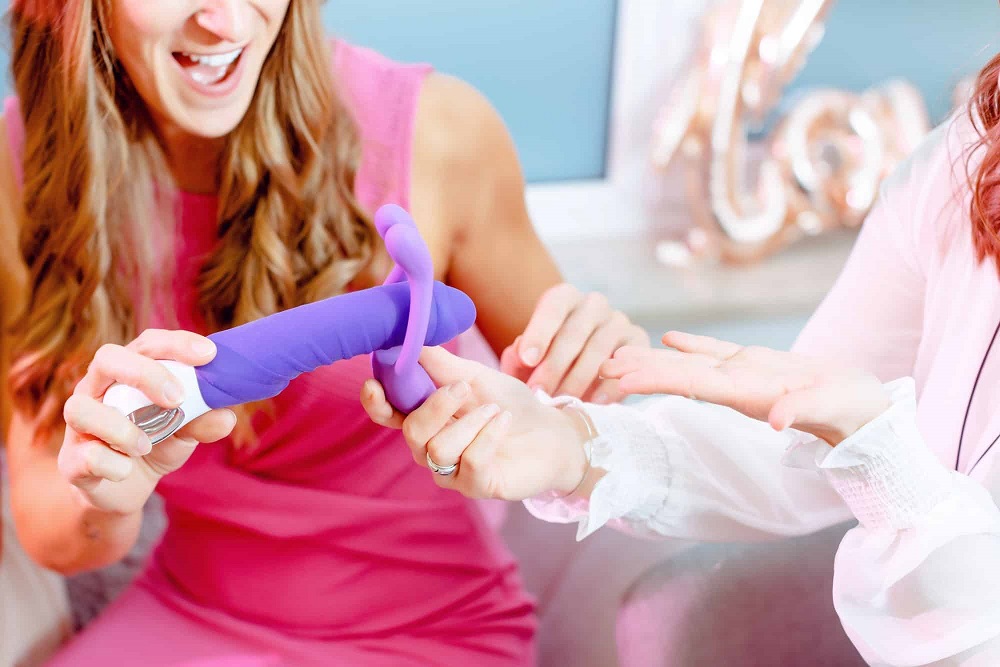
For generations, discussions surrounding intimate items were conducted in hushed tones, hidden behind plain brown packaging and relegated to the fringes of mainstream retail. Today, a profound cultural shift is underway. Intimate items are no longer viewed merely through the lens of taboo or isolated pleasure. Instead, they are increasingly recognized as essential components of holistic wellness and self-care.
This evolution reflects a broader societal movement toward body positivity, mental health awareness, and comprehensive wellness. By reframing sexual health as an integral branch of overall well-being—on par with nutrition, fitness, and sleep—modern consumers and healthcare professionals are dismantling long-standing stigmas. The integration of adult products into daily self-care routines is fundamentally altering how we approach personal health, relationship dynamics, and public dialogue.
The Intersection of Intimate Health and Holistic Wellness
The definition of wellness has expanded significantly over the past decade. Wellness is no longer just the absence of illness; it is the active pursuit of actions, choices, and lifestyles that lead to a state of holistic health. Because sexual health directly impacts physical comfort, hormonal balance, emotional resilience, and relational satisfaction, it naturally fits within this framework.
Adult products, ranging from body-safe vibrators and pelvic floor trainers to therapeutic lubricants and sexual health supplements, serve as practical tools within this space. They are increasingly designed with the same minimalist, clean aesthetic as high-end skincare or athletic wear, signalling to consumers that these items belong on the nightstand, not hidden beneath the bed. This intentional design philosophy bridges the gap between traditional self-care and intimate wellness, making the adoption of these products feel like a natural extension of a healthy lifestyle.
Physical and Psychological Benefits of Intimate Self-Care
The integration of adult products into self-care routines yields measurable physical and psychological benefits. Far from being purely recreational, these tools are frequently utilized to address specific physiological changes and psychological stressors.
Stress Reduction and Sleep Enhancement
Engaging in intimate self-care triggers a powerful biochemical response. The body releases a cocktail of feel-good hormones and neurotransmitters, including oxytocin, dopamine, and endorphins. Concurrently, levels of cortisol, the primary stress hormone, decrease. This hormonal shift offers distinct health advantages:
-
Deepened Relaxation: The release of endorphins acts as a natural muscle relaxant and pain reliever.
-
Improved Sleep Quality: Oxytocin and prolactin, released post-climax, promote a sense of security and drowsiness, facilitating a faster transition into deep REM sleep.
-
Anxiety Mitigation: Regular intimate self-care provides a safe, private outlet for emotional release and tension reduction.
Physiological Maintenance and Rehabilitation
For many individuals, adult products are vital medical and rehabilitative aids. Physical therapists and gynecologists frequently recommend specific intimate devices to manage health conditions and age-related bodily transformations.
-
Pelvic Floor Strength: Smart pelvic floor trainers and weighted exercise balls help individuals strengthen the pubococcygeus muscle group. This is critical for preventing or treating urinary incontinence, supporting postpartum recovery, and enhancing physical sensation.
-
Managing Menopause and Hormonal Shifts: Natural aging, childbirth, and certain medical treatments can lead to vaginal atrophy or dryness. High-quality, body-safe lubricants and moisturizers restore comfort, alleviate pain during intimacy, and preserve tissue health.
-
Addressing Sexual Dysfunction: Devices like localized massagers are often used in clinical protocols to help individuals experiencing pelvic pain, vaginismus, or low libido regain comfort and confidence in their bodies.
Redefining Relationship Dynamics and Communication
The wellness benefits of adult products extend beyond the individual. Within partnerships, the introduction of intimate tools can act as a catalyst for deeper emotional vulnerability, improved communication, and shared satisfaction.
Introducing these products into a relationship requires open, honest dialogue about desires, boundaries, and insecurities. Navigating these conversations strengthens relational trust and builds a more robust emotional connection. Rather than viewing adult products as competition or a sign of inadequacy, modern couples increasingly view them as collaborative tools that enhance shared intimacy and prevent relationship stagnation.
Furthermore, for long-distance couples or partners navigating mismatched libidos, technology-enabled intimate products allow for continued connection. App-controlled devices enable partners to connect across distances, bridging geographical gaps and maintaining relationship intimacy within a digital framework.
De-Stigmatization Through Inclusive Innovation
A driving force behind the mainstream acceptance of adult products is the industry-wide focus on inclusivity and medical integrity. Historic marketing focused heavily on a narrow demographic, but contemporary sexual wellness brands prioritize diverse bodies, genders, and life stages.
Body-Safe Materials and Transparency
Early iterations of adult products often utilized cheap plastics containing harmful chemicals like phthalates. The modern sexual wellness movement places a premium on material transparency and safety. Consumers now demand, and brands provide, medical-grade silicone, borosilicate glass, and organic, body-conscious formulations. This alignment with “clean beauty” and ingredient transparency reinforces the concept that what we put in or on our bodies during intimacy matters just as much as the food we eat or the skincare we apply.
Inclusive Design and Accessibility
Innovation has also paved the way for products tailored to individuals with limited mobility, chronic pain, or disability. Ergonomic designs, hands-free options, and accessible interfaces ensure that sexual wellness is recognized as a universal human right, rather than a luxury reserved only for the able-bodied. By broadening the scope of product design, the industry validates the lived experiences and wellness needs of underserved populations.
The Role of Education and Digital Media
The transformation of adult products from taboo items to wellness essentials has been accelerated by digital media and open education. Sexperts, medical professionals, and wellness influencers utilize social platforms, podcasts, and digital articles to demystify pleasure and anatomy.
Medical professionals, including urologists, gynecologists, and pelvic floor therapists, are breaking out of clinical silos to recommend specific intimate products openly. When a licensed doctor discusses the benefits of a topical serum or a specialized device on a wellness podcast, it legitimizes the product in the eyes of the consumer. This educational approach shifts the consumer mindset from one of guilt or secrecy to one of proactive health management.
Frequently Asked Questions
What differentiates a standard adult product from a sexual wellness product?
The distinction lies primarily in intention, material quality, and design philosophy. Sexual wellness products are explicitly engineered with body safety and holistic health in mind. They utilize non-porous, medical-grade materials free from harmful chemicals like phthalates or parabens. Additionally, their aesthetics and marketing focus on health, education, and self-care, rather than purely exploitative or highly sexualized tropes.
Can using adult products regularly negatively impact natural physical sensitivity?
No scientific evidence suggests that high-quality adult products cause permanent desensitization. While intense or prolonged stimulation can cause temporary, minor numbness due to increased blood flow and localized nerve overstimulation, sensitivity returns to normal within a short period. Using varied settings and incorporating breaks during personal routines easily mitigates this.
How do I know if the ingredients in an intimate lubricant are safe for my body?
When selecting lubricants or topical creams, look for formulations that explicitly state they are free from glycerin, parabens, artificial fragrances, and petrochemicals. Water-based lubricants using natural preservatives are generally the most versatile and body-friendly. If you have sensitive skin or are prone to infections, look for products that match natural vaginal pH levels and avoid warming or cooling agents.
Are pelvic floor trainers considered adult products or medical devices?
They sit at the intersection of both categories. While many pelvic floor trainers are sold by sexual wellness brands and are designed to enhance intimate sensation, they are functional biofeedback tools used for physical therapy. Many models utilize advanced technology to track muscle contractions, identical to the equipment used in clinical pelvic physical therapy offices.
How can a person initiate a conversation about introducing adult products with an apprehensive partner?
The most effective approach is to frame the conversation around curiosity, mutual pleasure, and wellness rather than deficiency or dissatisfaction. Discussing the idea outside of the bedroom ensures there is no immediate pressure. Emphasize that the product is a tool to explore new sensations together and enhance the existing connection, rather than a replacement for human intimacy.
Do insurance plans or health savings accounts cover sexual wellness products?
In some instances, yes. While standard recreational items are not covered, specific therapeutic adult products—such as medical-grade vaginal dilators, specialized pelvic floor trainers, or high-quality lubricants prescribed for severe dryness due to menopause or cancer treatments—can qualify for coverage. Consumers can often use Health Savings Accounts (HSA) or Flexible Spending Accounts (FSA) if a licensed medical professional provides a Letter of Medical Necessity.